Close
|
|


|
|
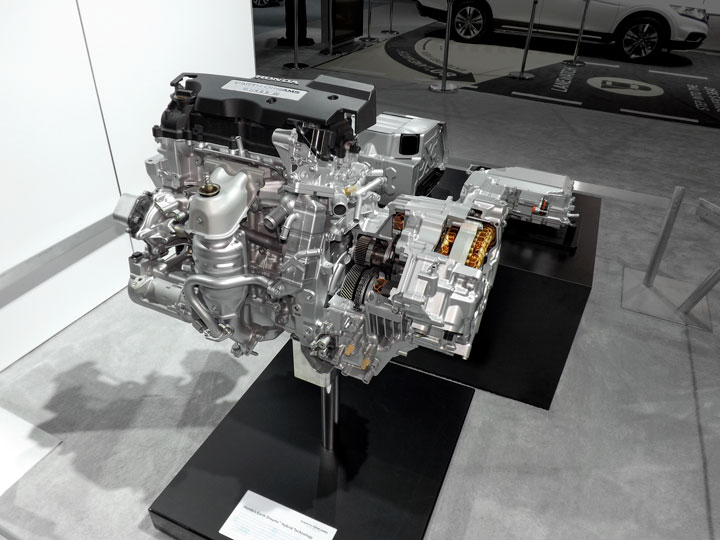
Since the creation of the first modern automobile nearly a century and a half ago, there has been one dominant engine option on the market, the gasoline internal combustion engine. Now the gasoline internal combustion engine has some challengers trying to steal the crown. There have been many different types of engines in the past but many of them relied solely on fossil fuels to operate.
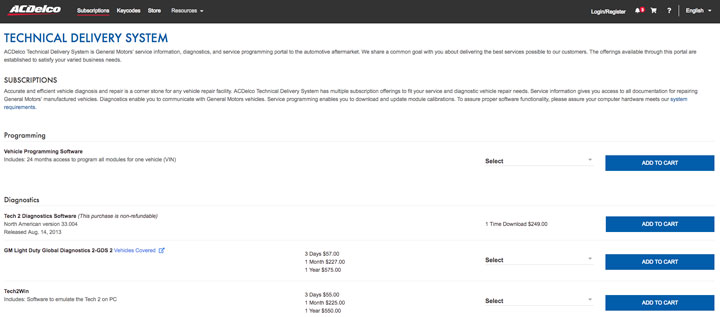
General Motors (GM) has updated their www.acdelcotds.com service and repair information website. This update to the website changes how to find the collision repair information you need.
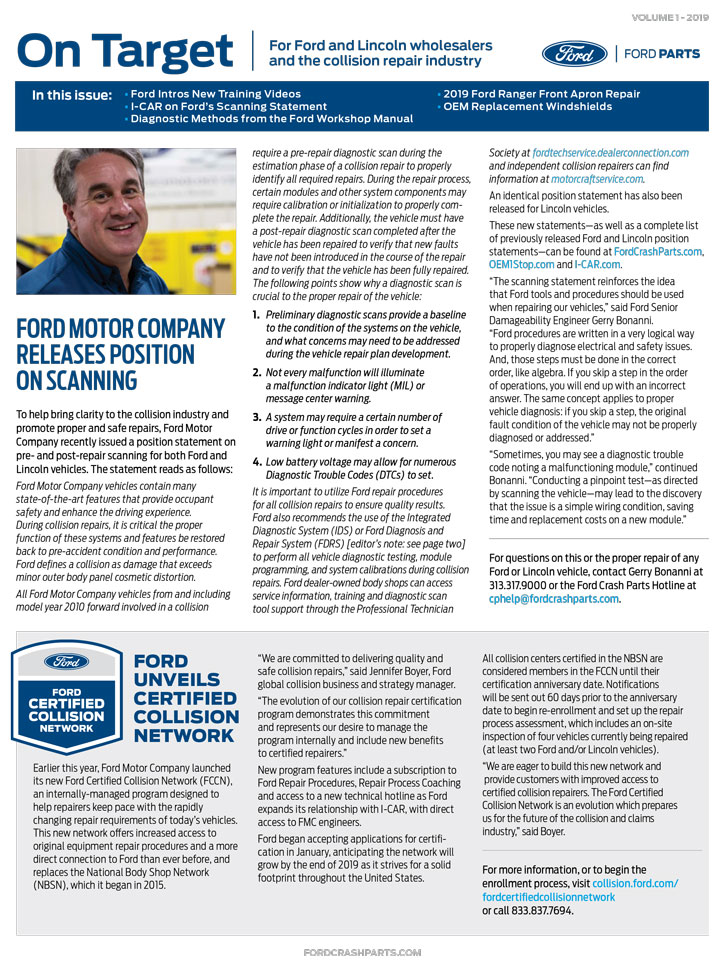
Ford has released the first installment of their On Target publication for 2019. Features of the issue include collision repair procedures for the 2019 Ford Ranger front fender apron repair.

Tightening regulations on fuel economy along with rising awareness about pollution have influenced vehicle design and function in recent years. However, most consumers are not willing to sacrifice comfort, vehicle size, or power, so auto makers needed to use different methods to boost fuel economy. For the most part, aerodynamics can be directly related to fuel efficiency. The smoother air flows over the vehicle, the less power is required to make the vehicle move, leading to higher fuel economy. Unfortunately, a vehicle that has excellent aerodynamics may not be a functional vehicle for everyday consumers. So, other measures needed to be taken. In this series we’ll break down some of the methods used to boost aerodynamics and fuel economy along with any special cautions on how to repair them. Let’s check out Eco Mode.
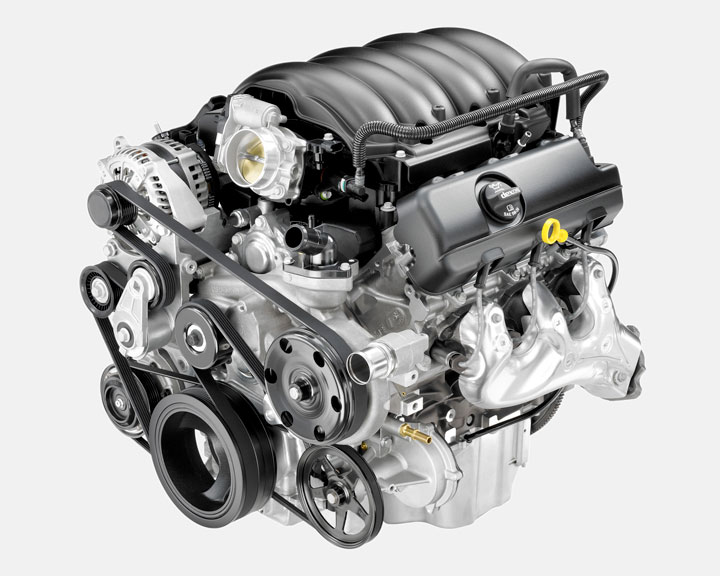
Since the creation of the first modern automobile nearly a century and a half ago, there has been one dominant engine option on the market, the gasoline internal combustion engine. Now the gasoline internal combustion engine has some challengers trying to steal the crown. There have been many different types of engines in the past but many of them relied solely on fossil fuels to operate.
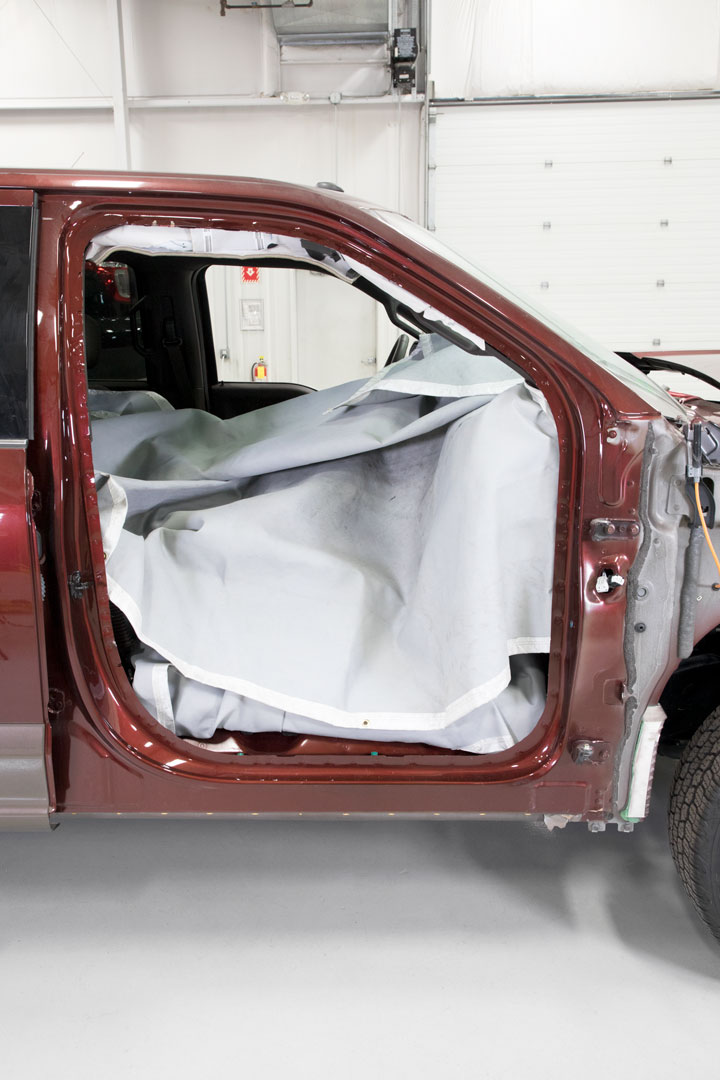
Sometimes, going back to the basics can make the difference between a quality repair and a failed repair. When it comes to replacing panels and other body components, there are a few precautions to take in order to protect the vehicle while welding.
When it comes to repair information, vehicle makers use a wide variety of terminology for replacement parts. All of the different names can be confusing, especially when repairing a variety of vehicle makes and models.
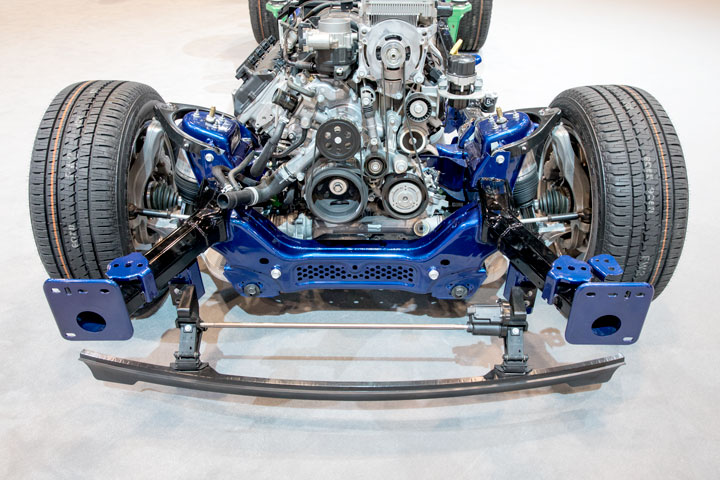
Tightening regulations on fuel economy along with rising awareness about pollution have influenced vehicle design and function in recent years. However, most consumers are not willing to sacrifice comfort, vehicle size, or power, so auto makers needed to use different methods to boost fuel economy. For the most part, aerodynamics can be directly related to fuel efficiency. The smoother air flows over the vehicle, the less power is required to make the vehicle move, leading to higher fuel economy. Unfortunately, a vehicle that has excellent aerodynamics may not be a functional vehicle for everyday consumers. So, other measures needed to be taken. In this series we’ll break down some of the methods used to boost aerodynamics and fuel economy along with any special cautions on how to repair them. Let’s check out active air dams.
When welding a replacement panel on a vehicle, it is important to know how many welds should be placed along the panel. When it comes to panel replacement on a Ford or Lincoln vehicle, the number of welds shown in a replacement procedure is not necessarily the number of welds that should be made on the vehicle being repaired.
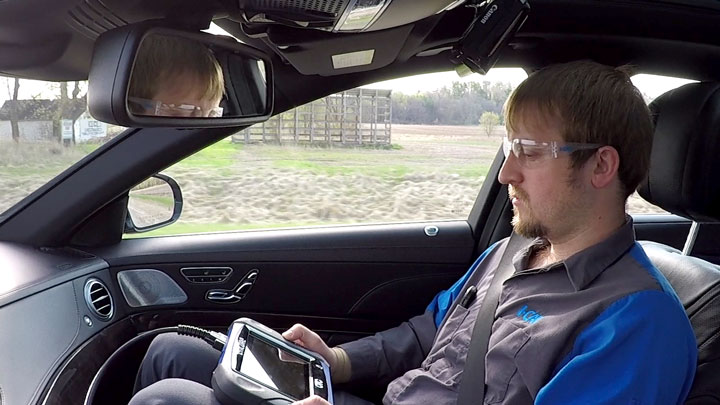
Many advanced driver assistance systems (ADAS) require a dynamic calibration procedure, or a static calibration followed by a dynamic calibration. A dynamic calibration requires the vehicle to be driven, often times with two technicians and a scan tool. Though it can be easy to think of dynamic calibration as a test drive, they are not one in the same. Let’s explore the difference between the two.
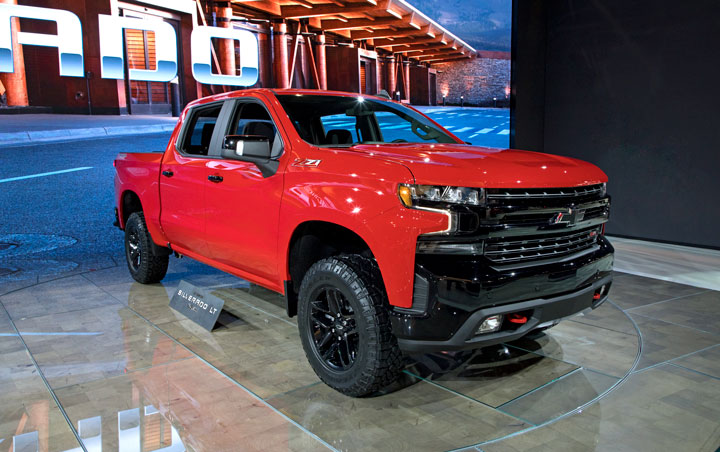
One of the top technical inquiries received at Ask I-CAR is “Is there a sectioning or partial replacement procedure available?” To help answer this question, RTS has an OEM Partial Part Replacement Search available. Here you will find information on if these procedures are available on a specific vehicle. Let’s take a closer look at the 2019 Chevrolet Silverado.
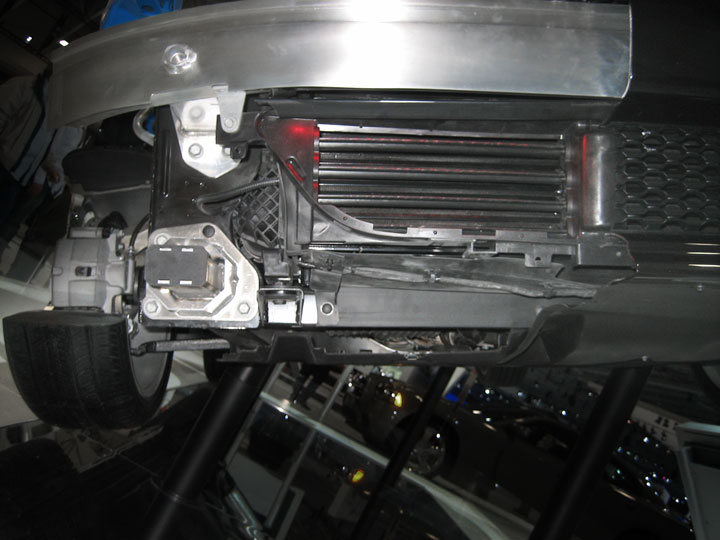
Tightening regulations on fuel economy along with rising awareness about pollution have influenced vehicle design and function in recent years. However, most consumers are not willing to sacrifice comfort, vehicle size, of power, so auto makers needed to use different methods to boost the fuel economy numbers. For the most part, aerodynamics can be directly related to fuel efficiently. The smoother air flows over the vehicle, the less power is required to make the vehicle move, leading to higher fuel economy. Unfortunately, a vehicle that has excellent aerodynamics may not be a functional vehicle for every consumer. So, other measures needed to be taken. In this series we’ll break down some of the methods used to boost aerodynamics and fuel economy along with any special cautions on how to repair them. Let’s check out active grille shutters.
The OEM Information pages continue to grow, here is one of the new features for this area of the RTS portal.
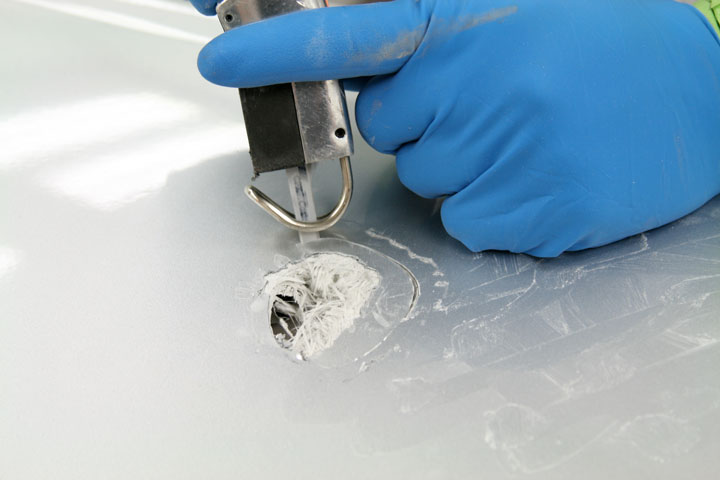
Sometimes, going back to the basics can make the difference between a quality repair and a failed repair. Although fiber-reinforced plastics (FRP) usage and repairability is limited on today's vehicles, here are a few things to consider.
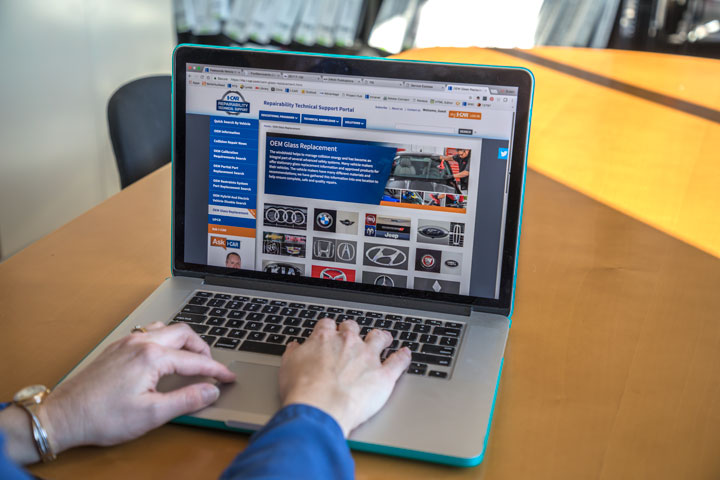
We’ve shared that OEMs like FCA, Honda/Acura, and Kia have videos within their procedures. Now, General Motors (GM) has added videos to various procedures in service manuals at www.acdelcotds.com.