Close
|
|


|
|
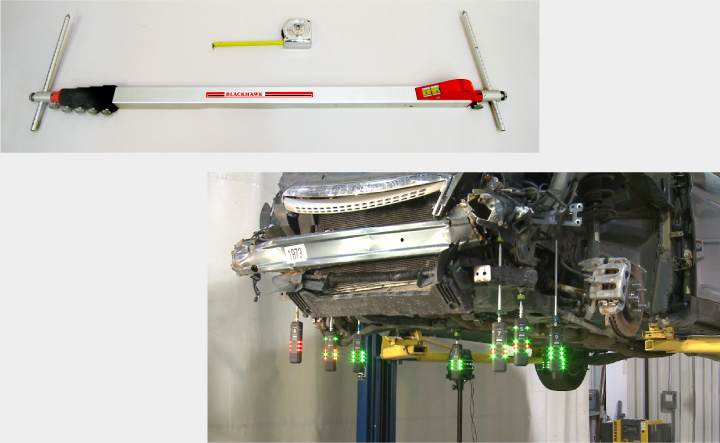
I-CAR has been emphasizing the importance of three-dimensional measuring since its founding in 1979, but is it really required to repair a vehicle? After all, three-dimensional measuring systems are considerably more expensive compared to the much more affordable tape measure or tram gauge (see Figure 1).
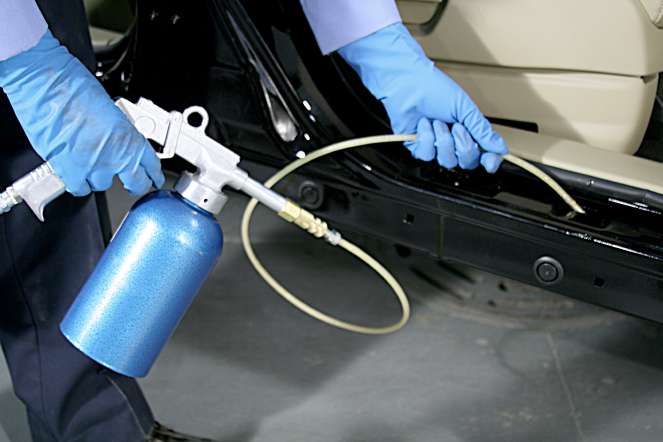
There has been a longstanding recommendation to apply epoxy primer, as well as anti-corrosion compound, on the inside of rails and pillars and rocker panels as a last step for structural repairs. Going back as far as the July/August 1988 I-CAR Advantage, in the article "Restoring Corrosion Protection," is the following step for providing corrosion protection to enclosed interior surfaces: "Apply primer. Two-part epoxy recommended. Then apply anti-corrosion compound." The reason given, is that on areas where the coatings have been entirely removed, this is a two-step process that is replacing the two original coatings, zinc and E-coat.
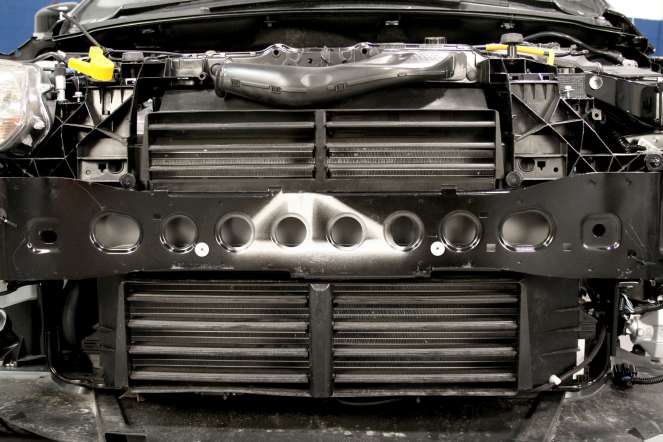
When making collision repairs to the 2012 Ford Focus, be aware that the vehicle may be equipped with an active grille shutter system (see Figure 1). This motorized system is located in front of the radiator, which places it in a vulnerable position during front-end collisions.
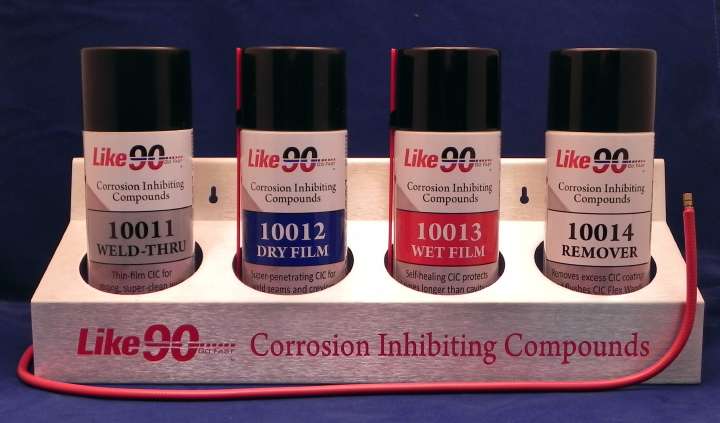
If you were asked for a short description for anti-corrosion compound, the material that is sprayed onto the backside of panels and inside rails after repairs, it is likely that "thin film" and "fine mist" would not be included in the wording. However, that is exactly the description given to a new type of anti-corrosion compound now available that uses what is collectively called thin-film technology.
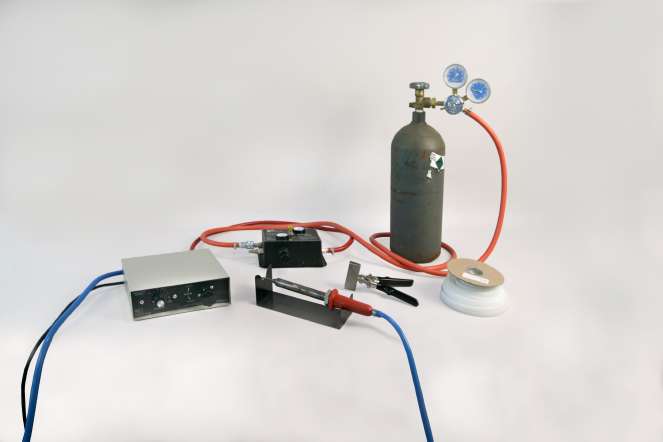
Hot air welders have been around for a number of years and used mostly in bumper remanufacturing facilities. A hot air welder works by passing compressed air over a heating element and heating the air to around 345°C (650°F) to melt the base plastic and filler rod/ribbon together. This type of welder does not use a flat shoe or feeder tube-type tip. A V-groove is cut into the part, the rod is laid into the V-groove, and the two are melted together. Whenever using this type of welder, it is important to have airflow over the element at all times no matter if it is preheating, welding, or cooling.
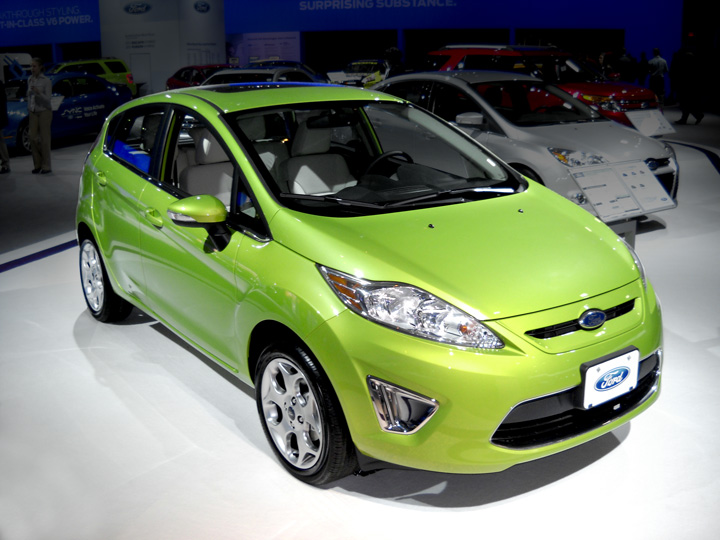
The 2011 Ford Fiesta is a complete reintroduction of the model name, and one glance will tell you the new Fiesta bears hardly any resemblance to its earlier 1978 namesake (see Figure 1). The Fiesta is based on Ford's new global B-platform, which is planned for use on more vehicles in the next few years. It's available in a four- and five-door body style. Both of the styles are classified as a mini-car. The 2011 Ford Fiesta is the first mini-car to earn a Top Safety Pick from the Insurance Institute for Highway Safety since the introduction of a new roof strength test.
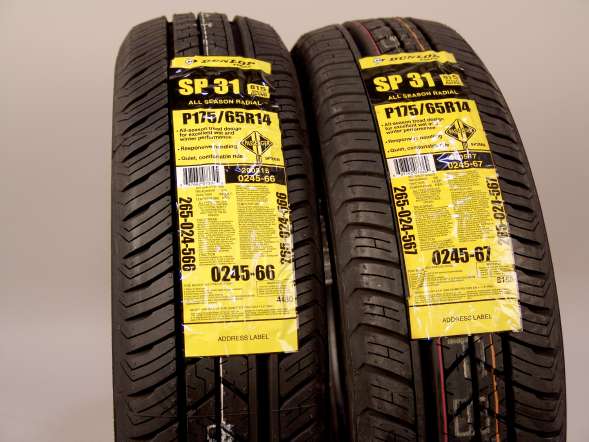
There are times when collision repairs on Honda and Acura vehicles will include replacing tires. If tires need to be replaced, it is important that the appropriate size and model number tires are installed. Some replacement tires may have the same manufacturer, be the same size and model name, and look identical, but may not be the recommended replacement. Similar tires may be engineered for two entirely different types of vehicles. When replacing tires, always verify the manufacturer part number for the replacement tires (see Figure 1).
Quality repairs are essential for customer safety and satisfaction, not to mention the time saved preventing rework and comebacks. Ensuring quality repairs are completed on each and every vehicle requires a commitment from the entire team. However, the manager is primarily responsible for making sure everyone is aware of the level of quality that is expected and verifying only high-quality repairs are being completed. This will require knowing how to identify high quality repairs and ensuring that poor repairs are corrected before the vehicle is returned to the customer, or before the vehicle is moved to the next phase of the repair process.
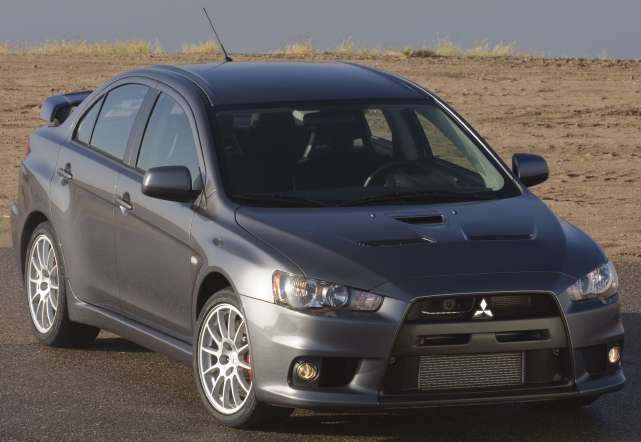
The use of dissimilar metals together in one area of the vehicle structure, and the attachment methods used with those materials, can affect damage analysis and repair versus replace decisions. Two models from Mitsubishi that require these considerations are the Lancer Evolution and Outlander.
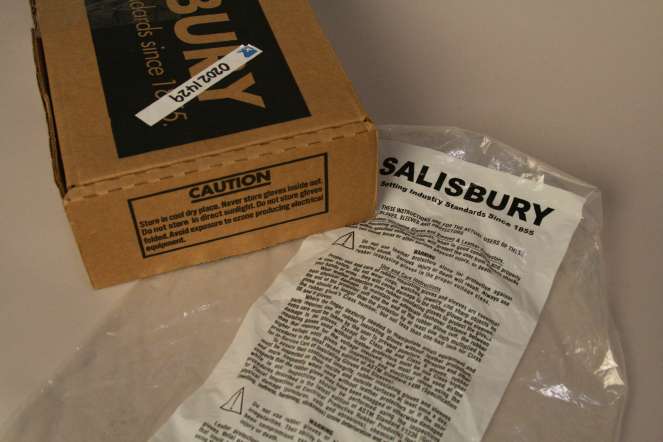
Ever since the requirement of wearing insulated rubber gloves, or lineman's gloves, when working on hybrid electric vehicles was introduced in vehicle service information, there have been questions. Are these really the same gloves worn by those who work with high-voltage power lines? Are these gloves necessary or are they overkill? Are these gloves only used for disabling and enabling the high-voltage? What does the U.S. Occupational Safety and Health Administration (OSHA) say about the use of these gloves?
This article is designed to answer these questions.