Close
|
|


|
|
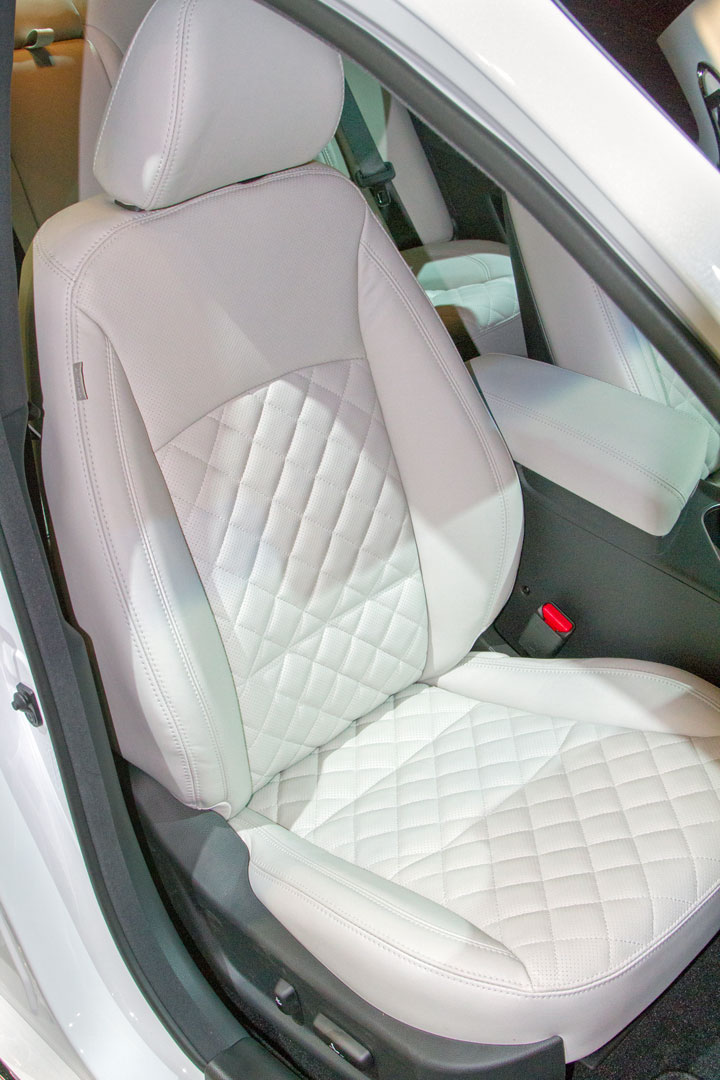
As vehicles are becoming more advanced, we are finding technology where it never was before. Sometimes it is in plain sight, such as infotainment systems, GPS, and a head-up display. However, sometimes it is concealed in places one may not expect.
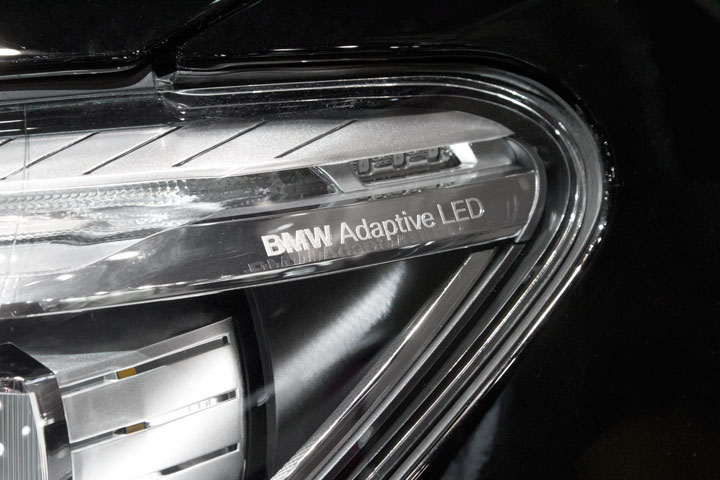
A key part of being able to diagnose a problem with advanced driver assistance systems (ADAS) is understanding how the system works. Knowing what is happening inside the system will help you properly diagnose why the system may be failing. This will prevent replacing parts that are not causing the system issue. Let’s take a look at the inner workings of the adaptive lighting system.
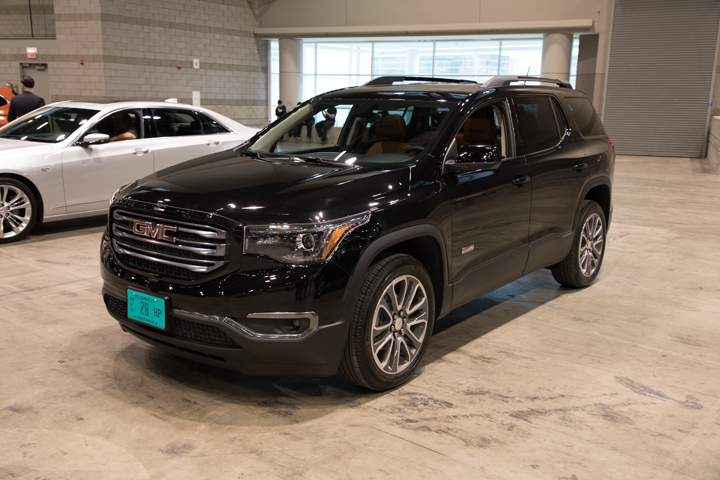
While many have noticed that advanced driver assistance systems (ADAS) are showing up on vehicles, there still is confusion on what is required of these systems after a collision occurs. The Ask I-CAR team frequently gets questions in regard to calibration of ADAS. Many of these questions can be answered simply by using the OEM Calibration Requirements Search. However, there are some questions that may need more details than the calibration search provides. Let’s take a look at the 2019 GMC Acadia.
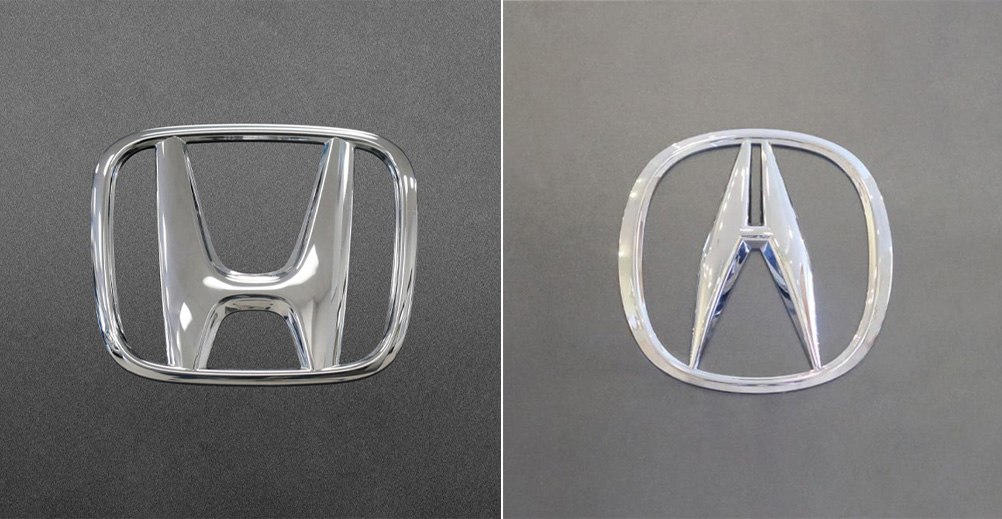
As part of the I-CAR Repairability Technical Support (RTS) OEM linking pin activity, we are helping to connect the collision repair industry to the vehicle makers. Recently, we had a technical inquiry that asked for clarification on the Honda/Acura SRS Component Replacement/Inspection After Deployment document located in vehicle-specific body repair manuals.
Vehicle makers may group their body repair manuals (BRM) in several different ways. Sometimes the BRMs are grouped by a year range, some are listed as VIN specific, and others are arranged by a body code. Let’s take a look at FCA/Stellantis to see how they group their BRMs.
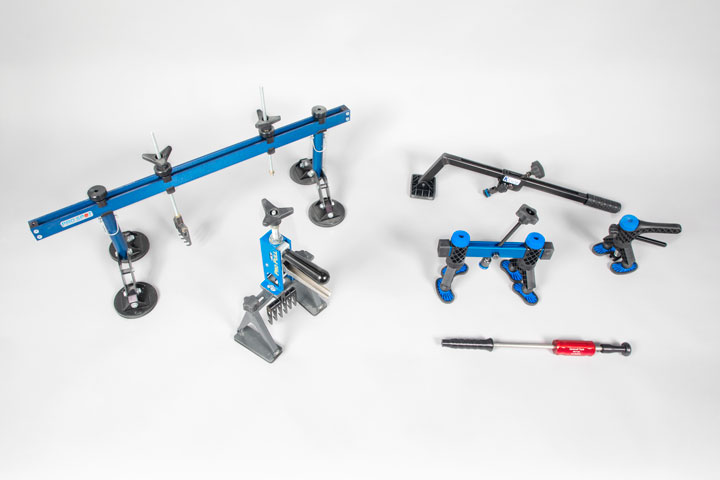
Glue pull repair (GPR), don’t you mean paintless dent removal (PDR)? PDR is the art of removing panel dents by either pushing or pulling the metal without damaging the finish. GPR finds its origins in PDR and it has been adopted as a more conventional panel straightening technique.
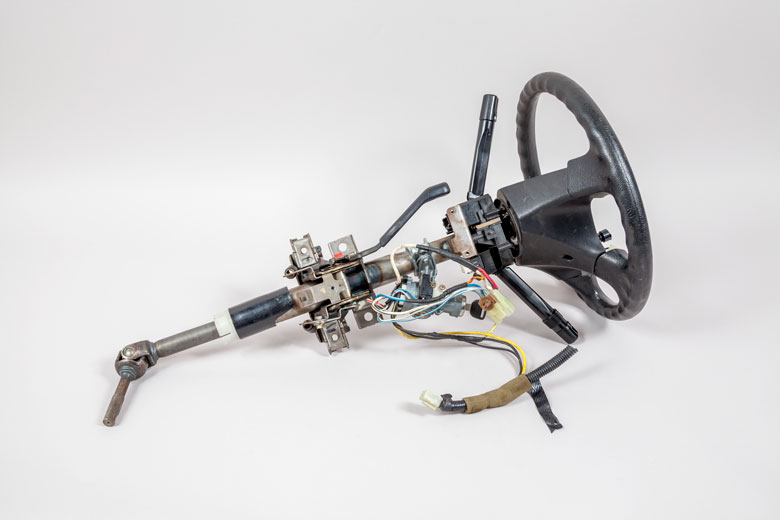
As vehicles are becoming more advanced, we are finding technology where it never was before. Sometimes it is in plain sight, such as infotainment systems, GPS, and a head-up display. However, sometimes it is concealed in places one may not expect.
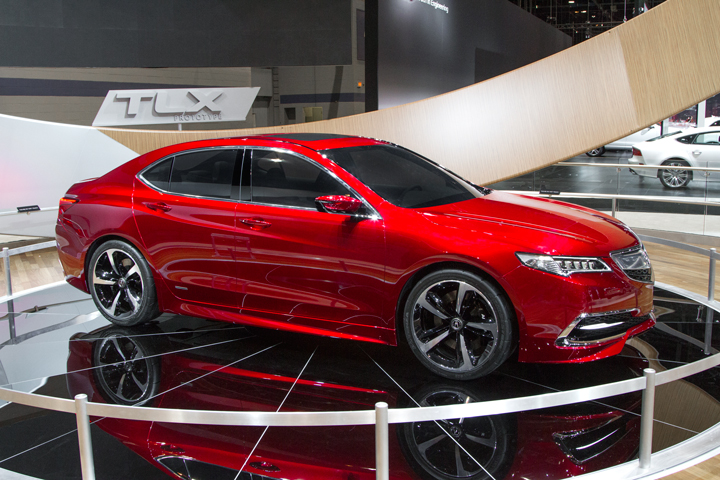
While many have noticed that advanced driver assistance systems (ADAS) are showing up on vehicles, there still is confusion on what is required of these systems after a collision occurs. The Ask I-CAR team frequently gets questions in regard to calibration of ADAS. Many of these questions can be answered simply by using the OEM Calibration Requirements Search. However, there are some questions that may need more details than the calibration search provides. Let’s take a look at the 2019 Acura TLX.
Now that the new year is underway, let’s take a look at some of your favorite things from 2019. We will continue with your favorite sectioning and partial part replacement articles.
As 2020 rolls in, we can reflect back on what the previous year had to offer. Let's take a look at some of the collision industry information you've been most interested in from this past year. These are the most popular articles from 2019.
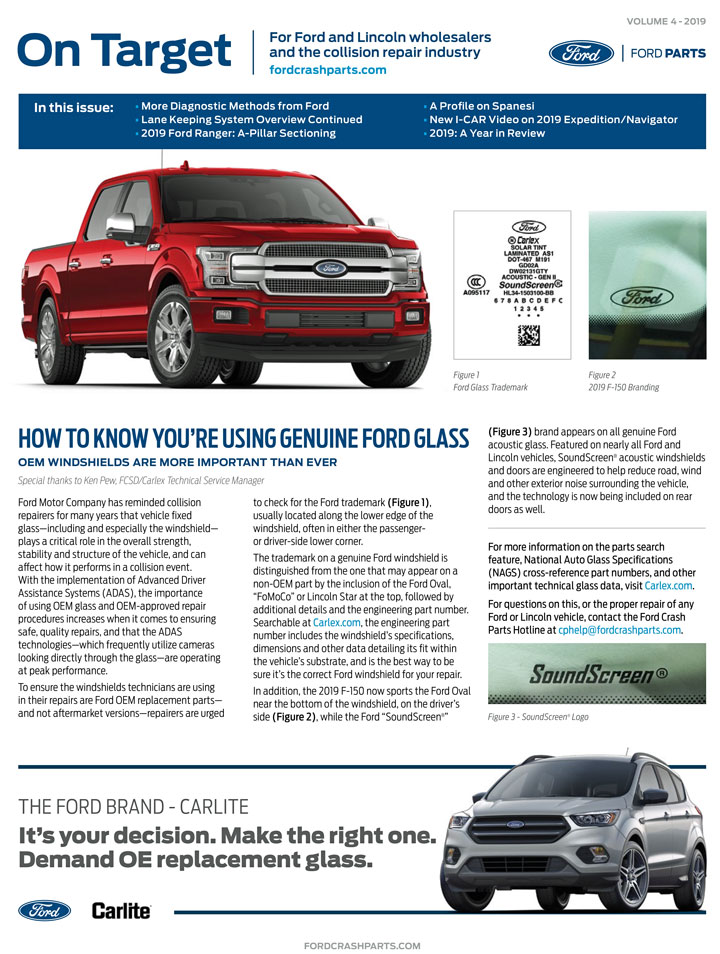
Ford has released the fourth installment of their On Target publication for 2019. Features of this issue include an overview of the 2019 Ford Ranger A-pillar reinforcement replacement, and how to identify Ford OEM glass.
While doing research on FCA/Stellantis for the RTS OEM Calibration Requirements Search, the RTS team noticed on some of the ADAS, there is a procedure called a “PROXI alignment”. We have researched what this means in order to give you clarity, in the event you see this procedure mentioned in the service manual.
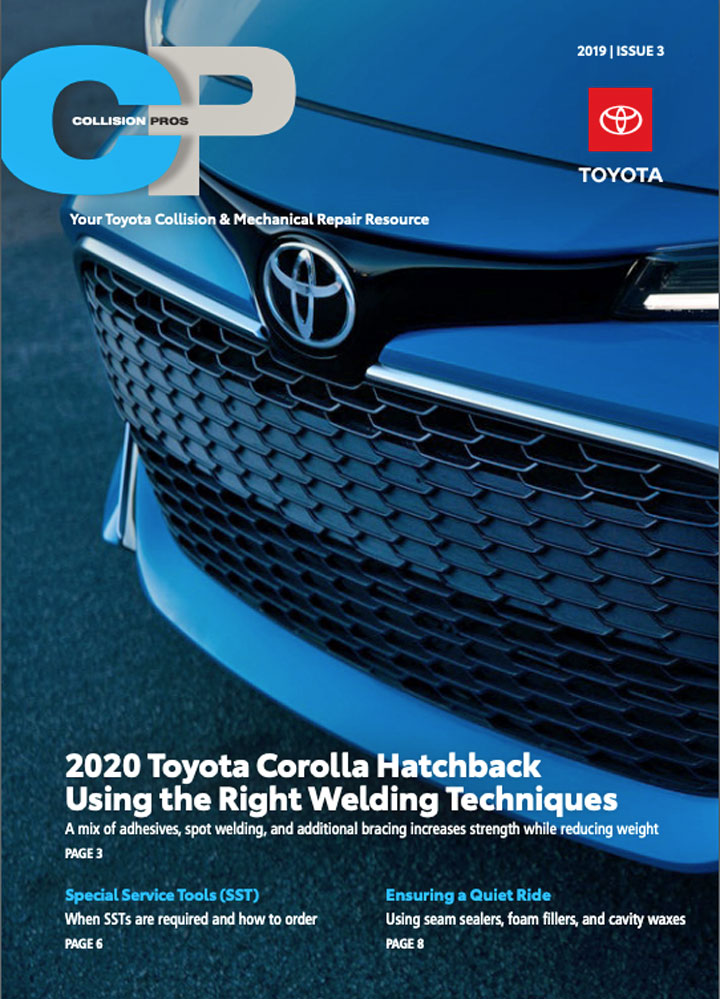
Toyota has released the 2019 Issue 3 edition of their Collision Pros magazine. This edition covers a variety of collision repair topics, such as:

The I-CAR Repairability Technical Support (RTS) team recently developed a new I-CAR 360 video on the 2019 Subaru Legacy. The video provides a 360° tour around the new Legacy. Let’s take a look.
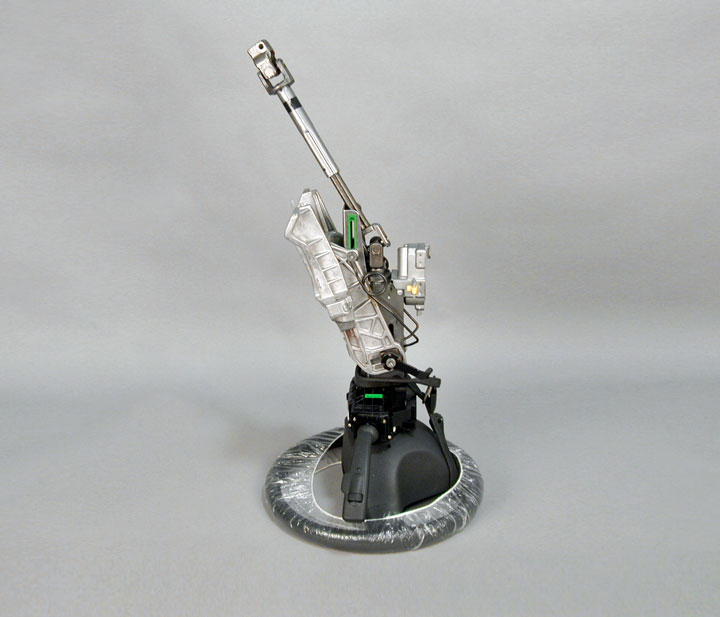
As vehicles are becoming more advanced, we are finding technology where it never was before. Sometimes it is in plain sight, such as infotainment systems, GPS, and a head-up display. However, sometimes it is concealed in places one may not expect.