Close
|
|


|
|
What is the MPa of the front lower rail? What is the outer uniside made of: steel, aluminum, or composite? Can heat be used to straighten or is it cold straightening only? What are the repair limitations? These are just some of the questions that the RTS team fields on a daily basis.
Many of the 2015-2020 Ford F-150s come with factory installed running boards. If you have had to replace the inner rocker panel lately, you may have noticed that the replacement inner rocker panel was missing hardware to install the running board after replacement. So, we reached out to our contacts at Ford to find the answer to this problem.
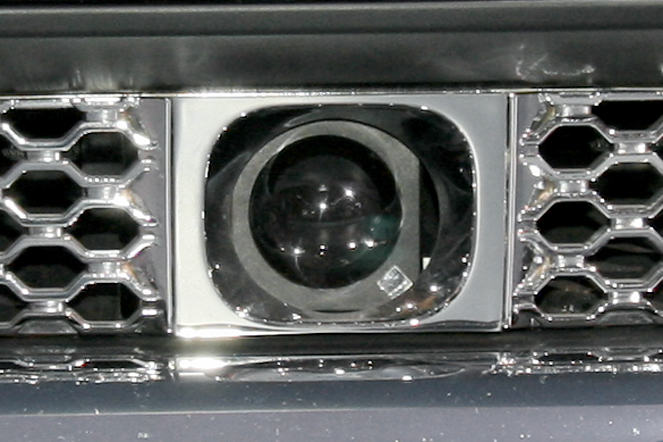
A key part of being able to diagnose a problem with advanced driver assistance systems (ADAS) is understanding how the system works. Knowing what is happening inside the system will help you properly diagnose why the system may be failing. This will prevent replacing parts that are not causing the system issue. Let’s take a look at the inner workings of an adaptive cruise control system (ACC).
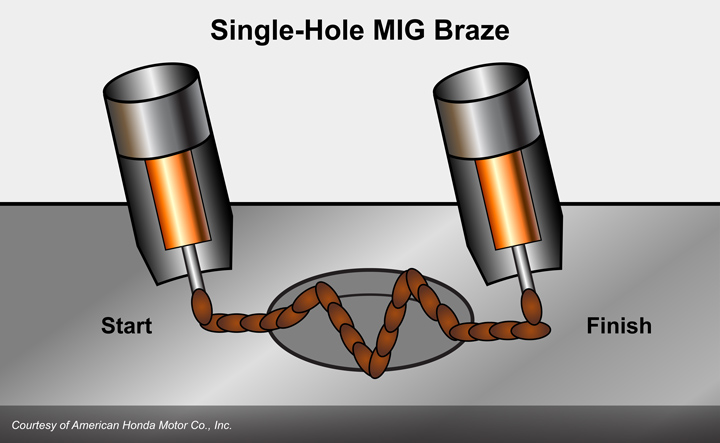
ABRN published an article today titled, "MIG Brazing Basics," authored by Jason Bartanen, Director of Industry Technical Relations at I-CAR. Let’s take a look at this article.
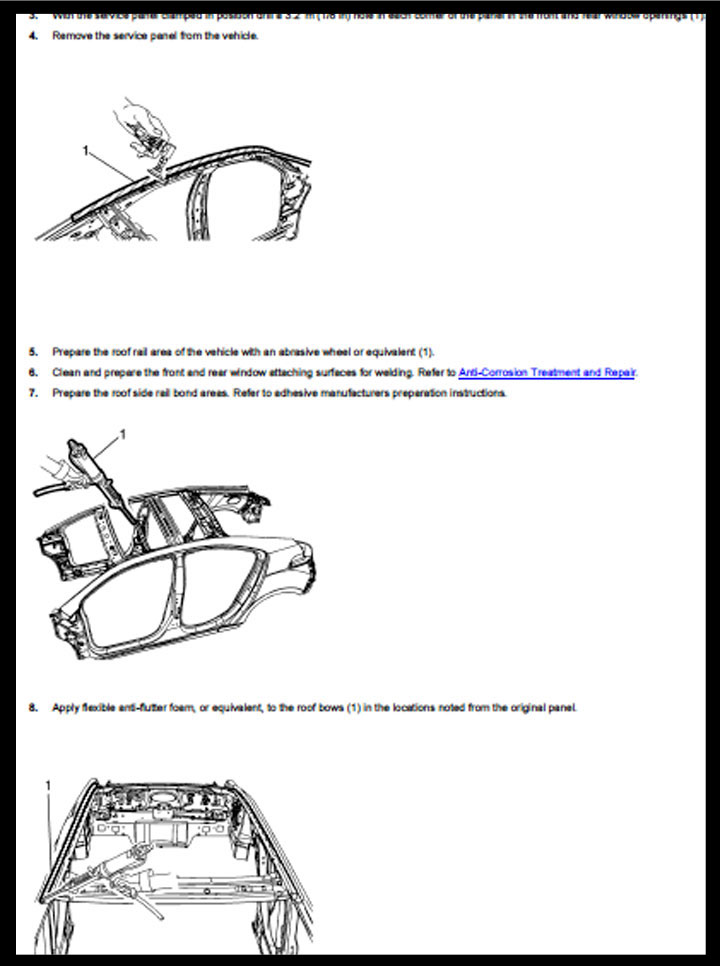
When a vehicle is produced at the factory, speed of production is a major factor for the OEM. This means that a lot of time and money is invested into machines that can produce a quality product in a short amount of time. However, the collision repair industry does not often have access to the same technology used on the factory floor. The OEMs recognize that a method used at the factory will not always be possible during repair. Also, some vehicles have global platforms and the OEMs know that certain products may not be available in all areas of the world. By taking this into account, OEMs create repair procedures to fit the collision repair industry while maintaining the safety and quality that the vehicle had from the factory. So when looking at a repair procedure, the procedure may specify to use a material that was not originally used on the vehicle during assembly. Let’s take a closer look at some of the differences.
What is the MPa of the front lower rail? What is the outer uniside made of: steel, aluminum, or composite? Can heat be used to straighten or is it cold straightening only? What are the repair limitations? These are just some of the questions that the RTS team fields on a daily basis.
What’s on the repair agenda for 2018 GM vehicles? The expanded use of squeeze-type resistance spot welding (STRSW) over plug welds in the collision repair process. Repairer Driven News (RDN) published an article highlighting this upcoming change.
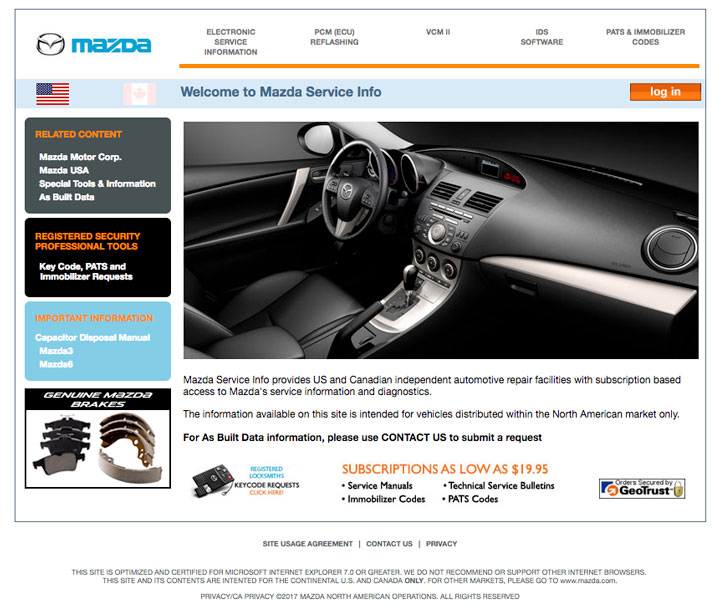
Mazda has redesigned their repair information website. Let’s take a look at the new setup of Mazda’s website.
A key factor in collision repair is making long-lasting repairs. When a vehicle is repaired, many areas of corrosion protection are disturbed. This creates corrosion hot spots that left untreated will lead to corrosion and potentially a repair failure. However, there are certain precautions that can be taken to safely and properly restore the corrosion protection throughout the repair process. OEMs often give specifications on restoring corrosion protection. These specifications generally include seam sealer, adhesives, foam fillers, and cavity waxes. Let’s take a look at what Kia says.
The addition of the OEM Calibration Requirements Search to the RTS portal was a big step for the collision industry. While this new feature has been well received, there has been some confusion about what is included in the search tool. The OEM Calibration Requirements Search is designed to provide information on the calibration requirements that are needed for vehicles equipped with advanced driver assistance systems (ADAS). This includes systems such as adaptive cruise control, lane keep assist, and collision braking.
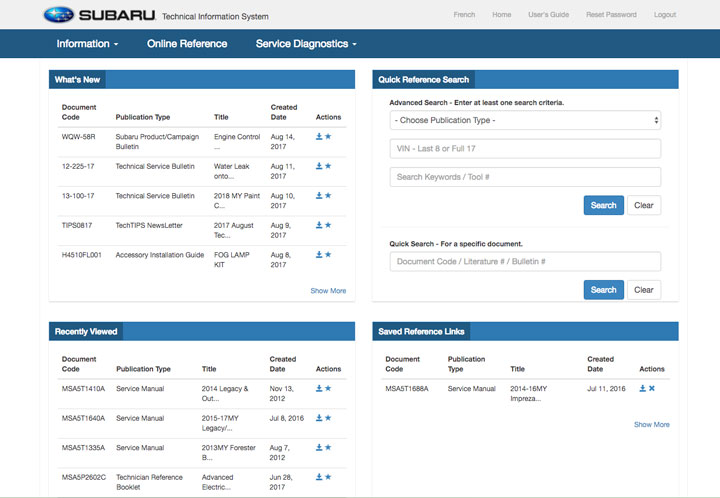
Subaru has changed the layout of their repair information website. You will notice that the site has a new look and improved navigation. Convenient new features make finding repair information easier. Let’s take a look at what has changed.
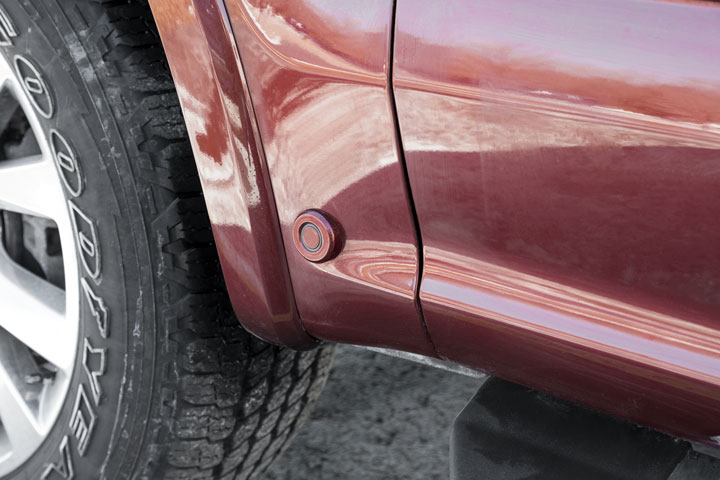
A key part of being able to diagnose a problem with advanced driver assistance systems (ADAS) is understanding how the system works. Knowing what is happening inside the system will help you properly diagnose why the system may be failing. This will prevent replacing parts that are not causing the system issue. Let’s take a look at the inner workings of a park assist system.
A key factor in collision repair is making long-lasting repairs. When a vehicle is repaired, many areas of corrosion protection are disturbed. This creates corrosion hot spots that left untreated will lead to corrosion and potentially a repair failure. However, there are certain precautions that can be taken to safely and properly restore the corrosion protection throughout the repair process. OEMs often give specifications on restoring corrosion protection. These specifications generally include seam sealer, adhesives, foam fillers, and cavity waxes. Let’s take a look at what Jaguar Land Rover (JLR) says.
The addition of the OEM Calibration Requirements Search to the RTS portal was a big step for the collision industry. While this new feature has been well received, there has been some confusion about what is included in the search tool. The OEM Calibration Requirements Search is designed to provide information on the calibration requirements that are needed for vehicles equipped with advanced driver assistance systems (ADAS). This includes systems such as adaptive cruise control, lane keep assist, and collision braking.
What is the MPa of the front lower rail? What is the outer uniside made of: steel, aluminum, or composite? Can heat be used to straighten or is it cold straightening only? What are the repair limitations? These are just some of the questions that the RTS team fields on a daily basis.