Close
|
|


|
|
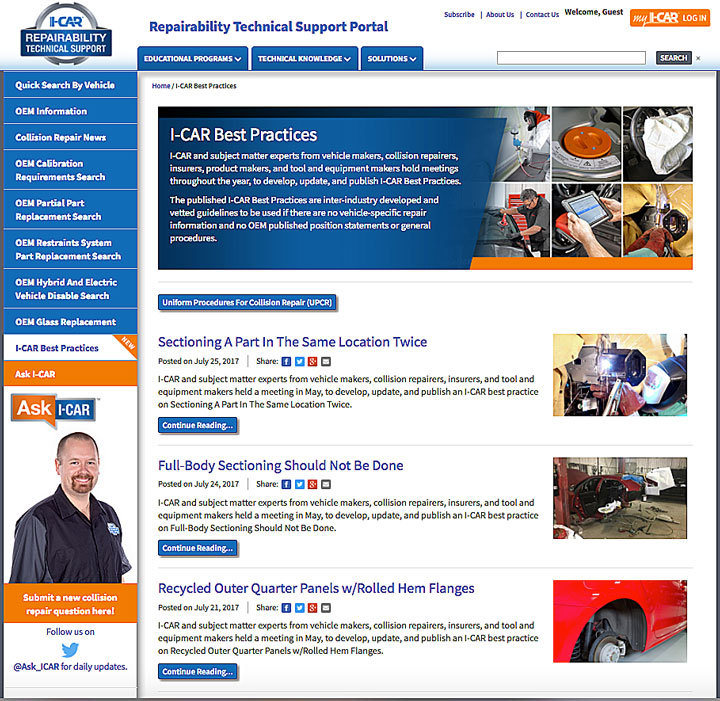
What if there isn’t vehicle-specific repair procedure, OEM position statements, or OEM general information available for a given topic?
To answer the industry request for assistance in closing gaps with this type of information, I-CAR has consistently held I-CAR Repairability Summits. These repairability summits bring together subject matter experts from vehicle makers, collision repairers, insurers, product makers, and tool and equipment makers to collaborate on industry developed and vetted Best Practices. Now all these best practices have been complied in one convenient location. Let’s take a look at the all new I-CAR Best Practices page.
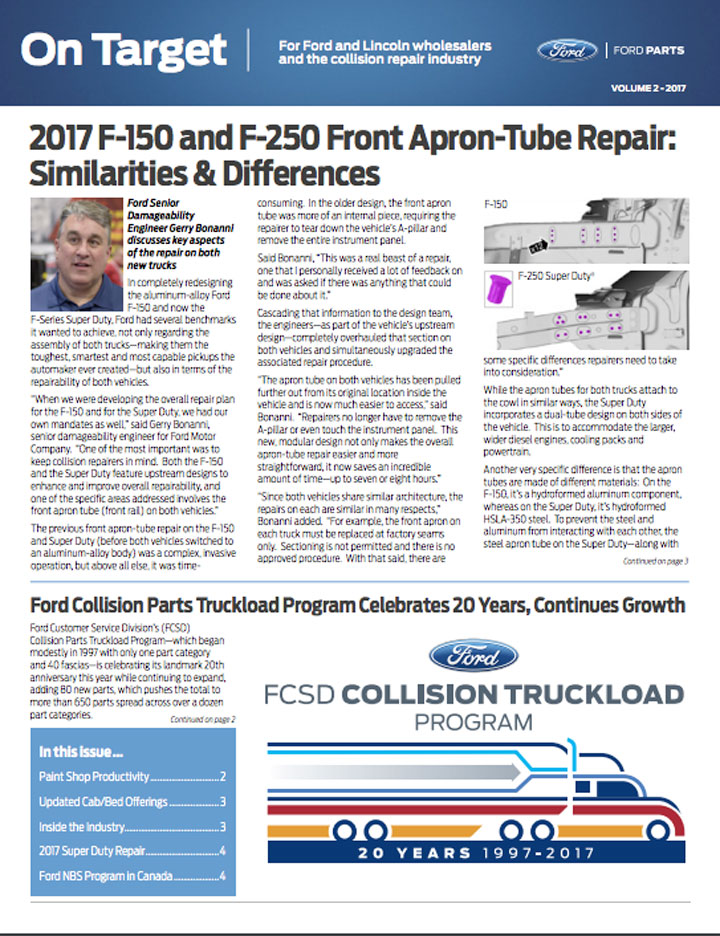
Ford has released the second installment of their On Target publication for 2017. Features of this volume include repair procedures, future technologies, and replacement parts availability. Let’s take a look at this issue of On Target.
When it comes to collision repair questions, we are often asked, “What Does I-CAR Say?" Fortunately, Jason Bartanen, Director of Industry Technical Relations at I-CAR, had an opportunity to discuss the answers via Collision Hub: Repair University Live at NACE (the International Autobody Congress & Exposition) this year. Let’s see what I-CAR has to say.

The kink vs. bend rule states that kinked parts must be replaced (no argument there), but bent parts may be a candidate for repair (wait a minute?!?). The kink vs. bend rule is no longer as simple as it sounds. Let’s take a closer at how this rule has evolved with the vehicle.
Subaru’s position statements can now be access directly from the I-CAR RTS Portal. These position statements are housed in the Subaru OEM Information page. Let’s take a look at what these position statements include.
What is the MPa of the front lower rail? What is the outer uniside made of: steel, aluminum, or composite? Can heat be used to straighten or is it cold straightening only? What are the repair limitations? These are just some of the questions that the RTS team fields on a daily basis.
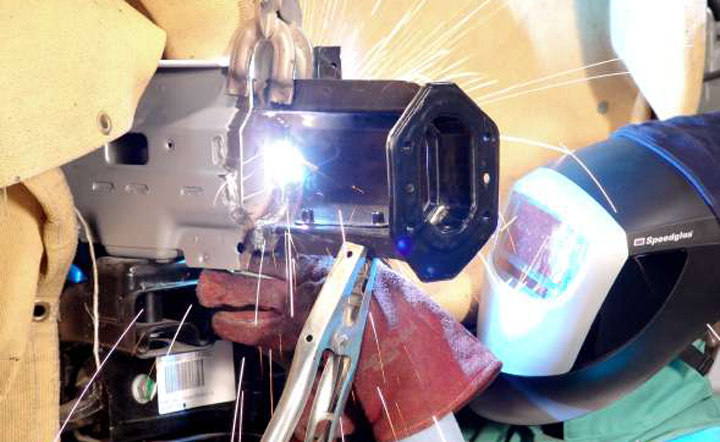
Periodically, I-CAR Repairability Summits are held to bring together collision industry stakeholders and subject matter experts to develop collision repair processes and best practices for repair of late-model, collision damaged vehicles. In the I-CAR Repairability Summit the topic of Sectioning A Part In The Same Location Twice was discussed.
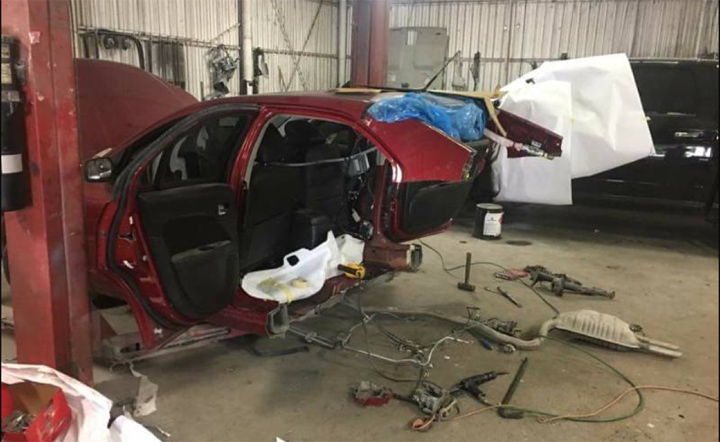
Periodically, I-CAR Repairability Summits are held to bring together collision industry stakeholders and subject matter experts to develop collision repair processes and best practices for repair of late-model, collision damaged vehicles. In the I-CAR Repairability Summit the topic of can full-body sectioning be done was discussed.

Periodically, I-CAR Repairability Summits are held to bring together collision industry stakeholders and subject matter experts to develop collision repair processes and best practices for repair of late-model, collision damaged vehicles. In the I-CAR Repairability Summit the topic of can recycled outer quarter panels w/rolled hem flanges be used as a replacement option was discussed.
The addition of the OEM Calibration Requirements Search to the RTS portal was a big step for the collision industry. While this new feature has been well received, there has been some confusion about what is included in the search tool. The OEM Calibration Requirements Search is designed to provide information on the calibration requirements that are needed for vehicles equipped with advanced driver assistance systems (ADAS). This includes systems such as adaptive cruise control, lane keep assist, and collision braking.
A key factor in collision repair is making long-lasting repairs. When a vehicle is repaired, many areas of corrosion protection are disturbed. This creates corrosion hot spots that left untreated will lead to corrosion and potentially a repair failure. However, there are certain precautions that can be taken to safely and properly restore the corrosion protection throughout the repair process. OEMs often give specifications on restoring corrosion protection. These specifications generally include seam sealer, adhesives, foam fillers, and cavity waxes. Let’s take a look at what Volkswagen says.
Repairer Driven News (RDN) published an article that provided a Q&A session with I-CAR on safety tips for EVs, specific to hybrid repair. Let’s take a look at this article.
What is the MPa of the front lower rail? What is the outer uniside made of: steel, aluminum, or composite? Can heat be used to straighten or is it cold straightening only? What are the repair limitations? These are just some of the questions that the RTS team fields on a daily basis.
The addition of the OEM Calibration Requirements Search to the RTS portal was a big step for the collision industry. While this new feature has been well received, there has been some confusion about what is included in the search tool. The OEM Calibration Requirements Search is designed to provide information on the calibration requirements that are needed for vehicles equipped with advanced driver assistance systems (ADAS). This includes systems such as adaptive cruise control, lane keep assist, and collision braking.
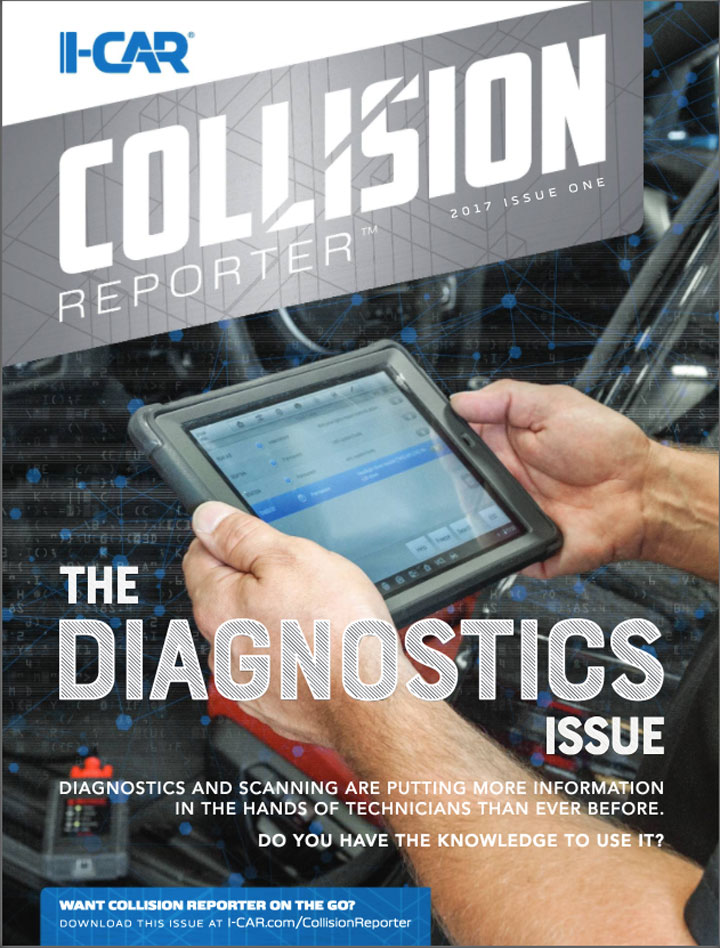
While the Repairability Technical Support team will continue to deliver daily collision repair news articles, the I-CAR Collision Reporter is designed to help I-CAR’s customers and business partners navigate the rapid changes happening within North America's collision repair industry, and stay abreast of I-CAR news and developments.