Close
|
|


|
|

When researching procedures for disabling a high-voltage (HV) vehicle, you may notice that many of the procedures require the use of specific tools. Some of them are OEM-specific tools or scan tools. Often identifying and locating where to purchase these specific tools can be difficult.
The RTS team is researching how to find these tools to make it easier for technicians performing these tasks. As we research the location of these special tools, we are compiling the information in a series of OEM-specific articles.
What is a one-time-use part, and how do you determine if a fastener, clip, or part can be reused? These are questions that we are confronted with in the collision industry quite a lot. The other big question is "Where do I find this information?"
SCRS released a video for quick tips on protecting electrical connections on high-voltage vehicles.
As electric-only, hybrid, and fuel cell electric vehicles are increasing in sales, they are becoming more commonplace in repair facilities. Along with the unique powertrains that come with these vehicles, also comes unique safety concerns. Regardless of vehicle maker, high-voltage (HV) systems pose a threat of injury or death if not handled properly. Only personnel with the proper training, PPE, tools, equipment, and service information should perform work on the HV systems.
Vehicle makers may group their body repair manuals (BRM) in several different ways. Sometimes the BRMs are grouped by a year range, some are listed as VIN specific, and others are arranged by a body code. Let’s take a look at Toyota/Lexus to see how they group their BRMs.
When researching procedures for disabling a high-voltage (HV) vehicle, you may notice that many of the procedures require the use of specific tools. Some of them are OEM-specific tools or scan tools. Often identifying and locating where to purchase these specific tools can be difficult.
The RTS team is researching how to find these tools to make it easier for technicians performing these tasks. As we research the location of these special tools, we are compiling the information in a series of OEM-specific articles.
I-CAR had a discussion with industry experts on Audi electric vehicles (EV), safety protocols, special tools, and more.
Repairer Driven News (RDN) released an article highlighting the certified glass network for Ford and Lincoln vehicles.
What is a one-time-use part, and how do you determine if a fastener, clip, or part can be reused? These are questions that we are confronted with in the collision industry quite a lot. The other big question is "Where do I find this information?"
As the Repairability Technical Support (RTS) team researches OEMs for one-time-use fastener/part information, we are putting together a series of articles on how and where to locate this information for specific OEMs. Let’s take a look at FCA/Stellantis.
Vehicle makers may group their body repair manuals (BRM) in several different ways. Sometimes the BRMs are grouped by a year range, some are listed as VIN specific, and others are arranged by a body code. Let’s take a look at Jaguar Land Rover to see how they group their BRMs.
As electric-only, hybrid, and fuel cell electric vehicles are increasing in sales, they are becoming more commonplace in repair facilities. Along with the unique powertrains that come with these vehicles, also comes unique safety concerns. Regardless of vehicle maker, high-voltage (HV) systems pose a threat of injury or death if not handled properly. Only personnel with the proper training, PPE, tools, equipment, and service information should perform work on the HV systems.
When researching calibration procedures for advanced driver assistance systems (ADAS), you may notice that many of the procedures require the use of specific tools. Some tools may be everyday items like string, tape, levels, paper, etc. However, many of them are OEM-specific tools or scan tools. Often identifying and locating where to purchase these specific tools can be difficult.
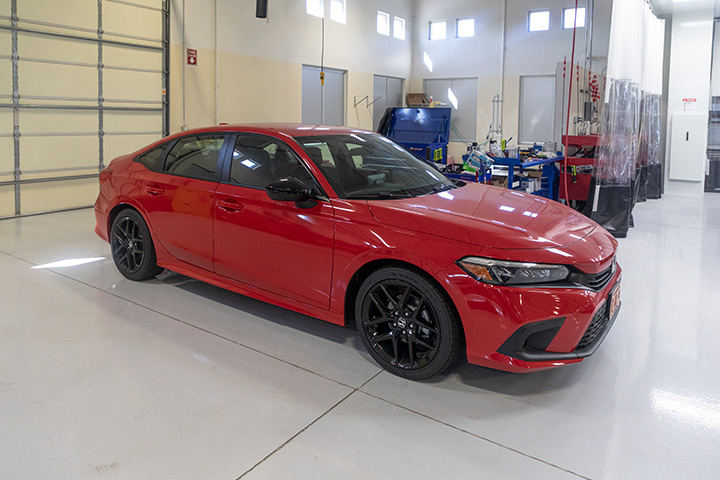
While many have noticed that advanced driver assistance systems (ADAS) are showing up on vehicles, there still is confusion on what is required of these systems after a collision occurs. The Ask I-CAR team frequently gets questions in regard to calibration of ADAS. Many of these questions can be answered simply by searching the OEM Calibration Requirements Search. However, there are some questions that may need more details than the calibration search provides. Let’s take a look at the 2022-present Honda Civic ADAS.
When researching procedures for disabling a high-voltage (HV) vehicle, you may notice that many of the procedures require the use of specific tools. Some of them are OEM-specific tools or scan tools. Often identifying and locating where to purchase these specific tools can be difficult.
The RTS team is researching how to find these tools to make it easier for technicians performing these procedures. As we research the location of these special tools, we are compiling the information in a series of OEM-specific articles.
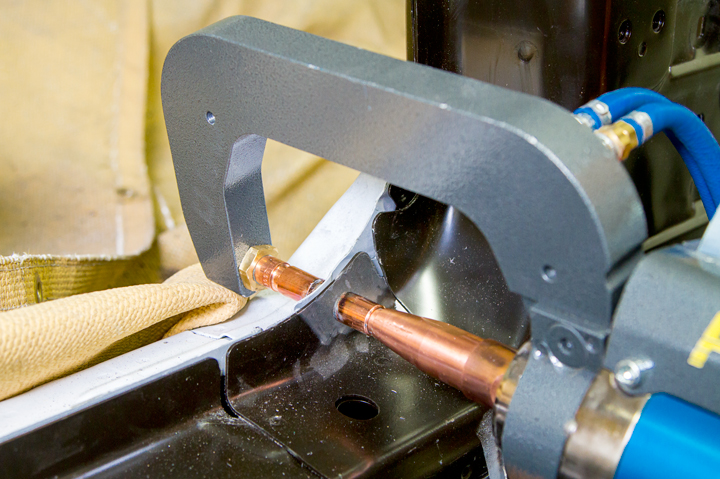
On today's vehicles, you are going to run into high-strength steel (HSS) and ultra-high-strength steel (UHSS) which will affect the attachment method that will be required when replacing body panels.